
How to Build MCP Servers: Complete Developer Guide for Claude Desktop Integration
The Model Context Protocol represents a breakthrough in AI application development. Developers now possess the capability to extend Claude Desktop functionality through custom server implementations. This guide walks you through building MCP servers from foundation to deployment.
Understanding how to build MCP servers unlocks powerful integration possibilities. Your applications gain direct access to Claude’s reasoning capabilities while maintaining control over data flow and business logic. The protocol standardizes communication between AI models and external systems.
This comprehensive tutorial covers everything from basic concepts to production-ready implementations. You learn MCP protocol fundamentals, server architecture patterns, and practical code examples. The guide includes comparison of popular development tools and frameworks.
Understanding MCP Servers and Their Purpose
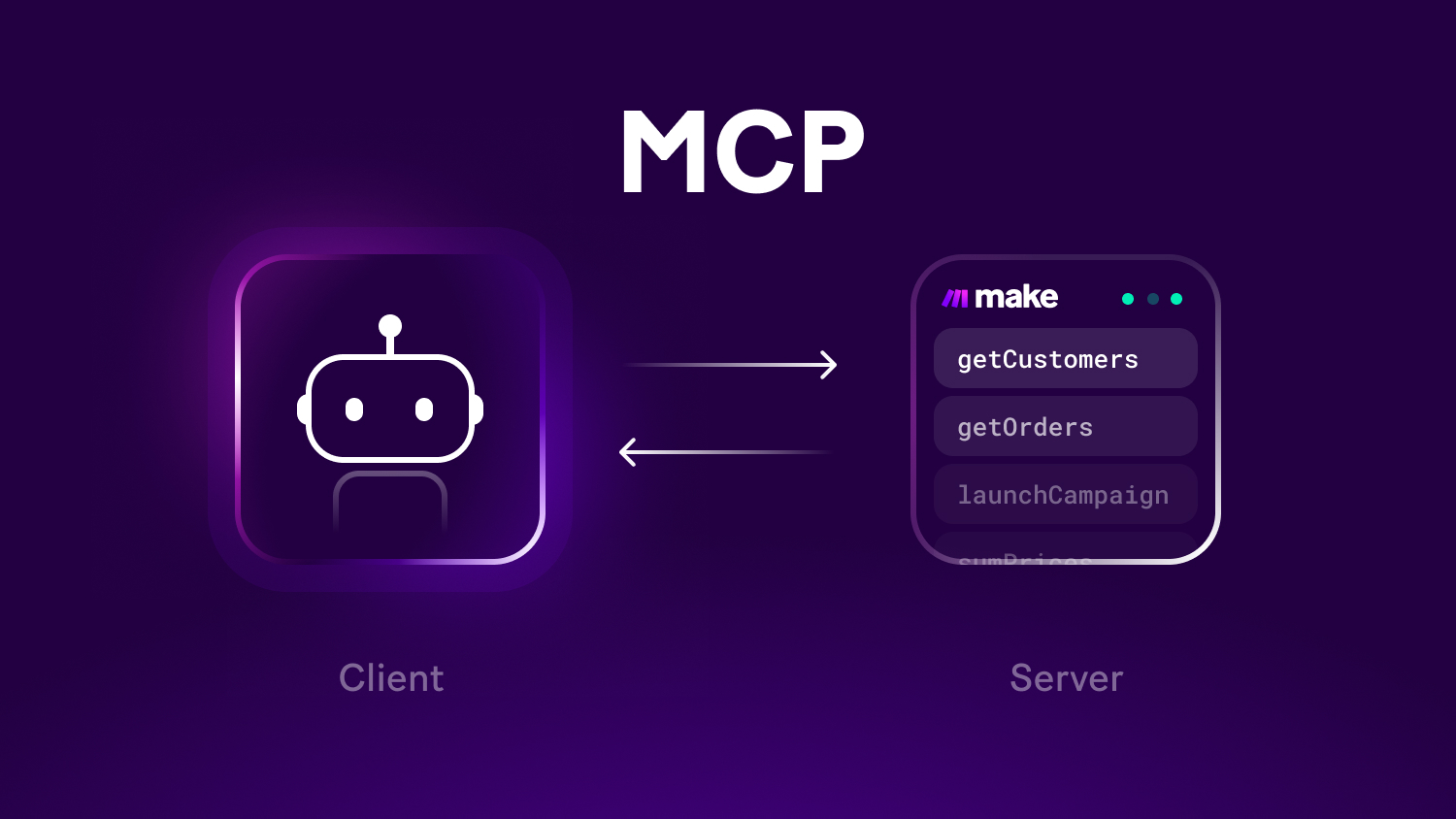
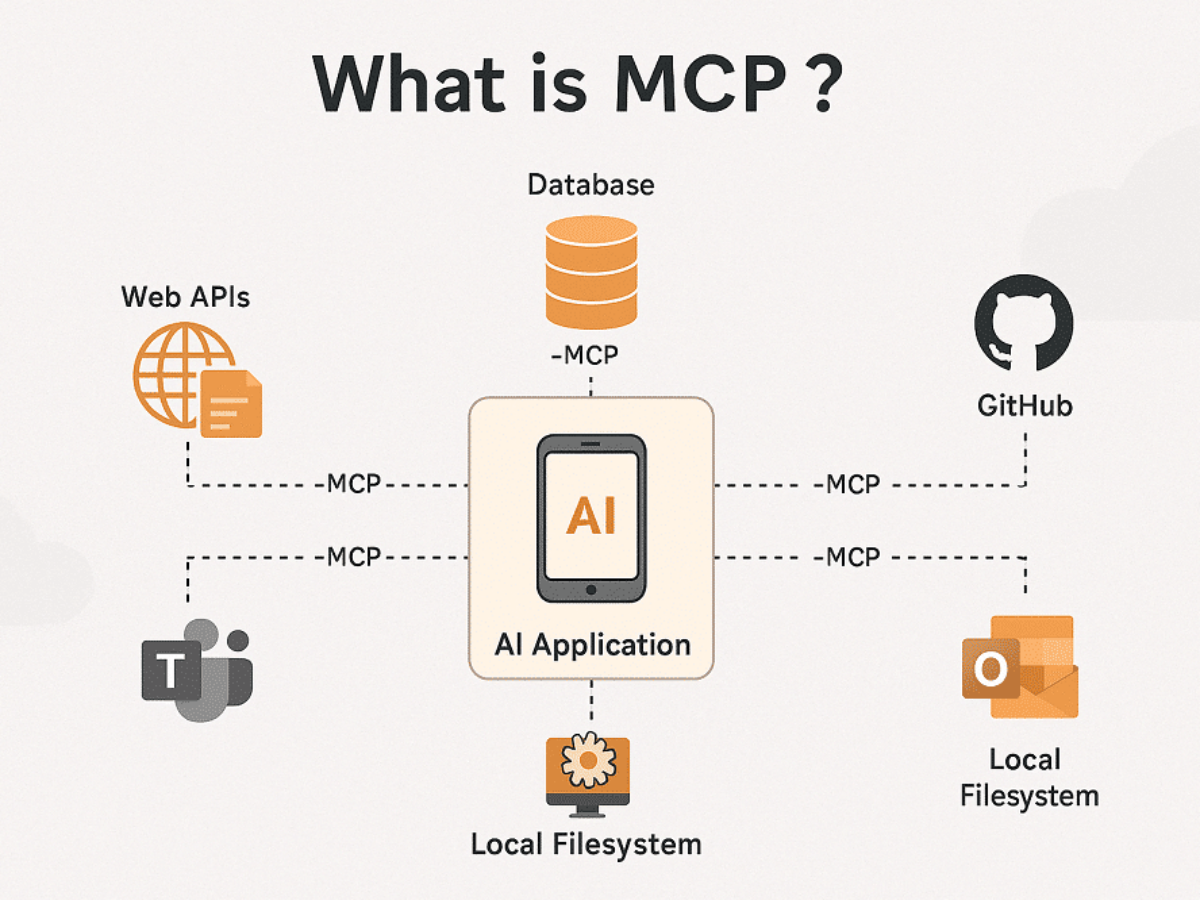
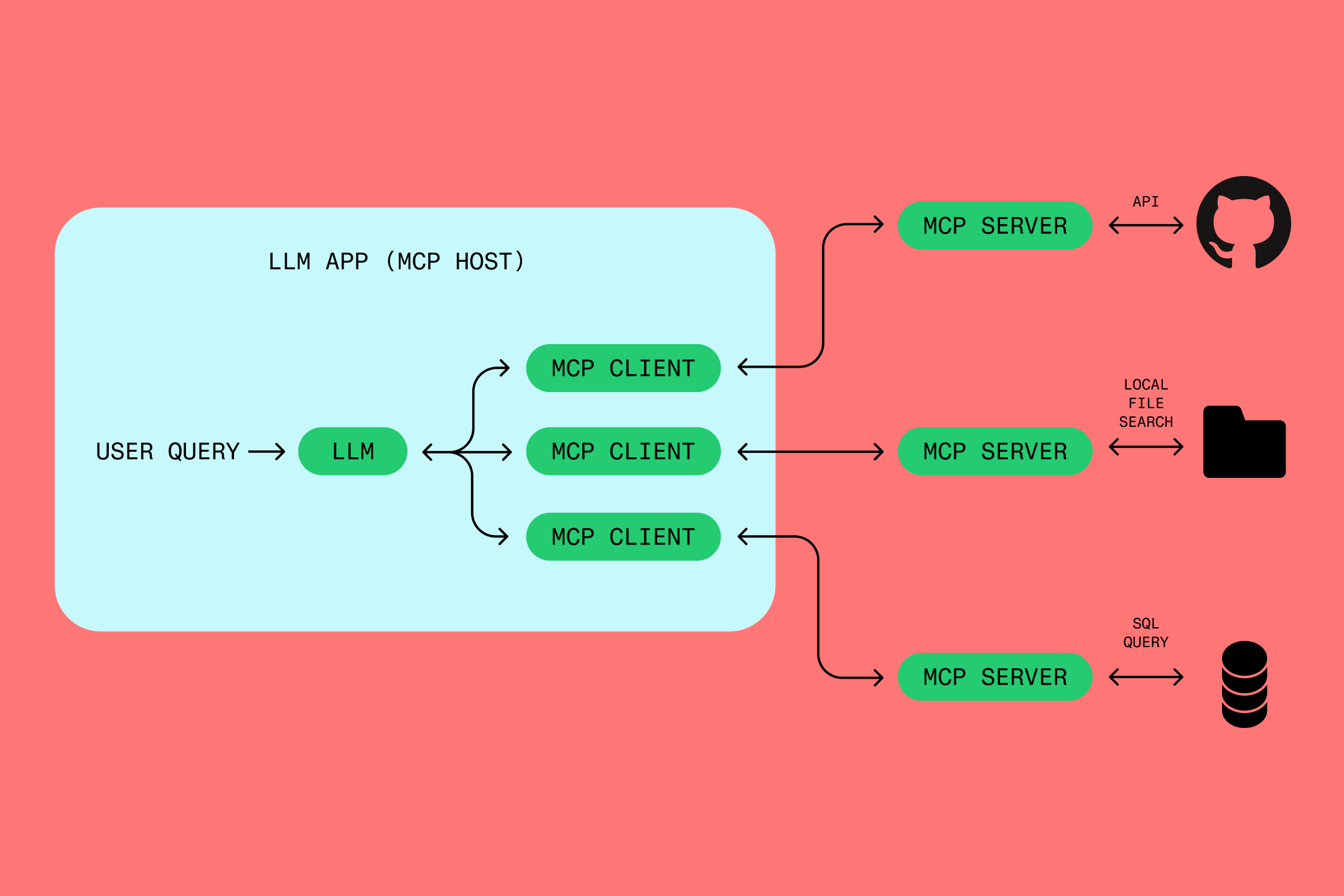
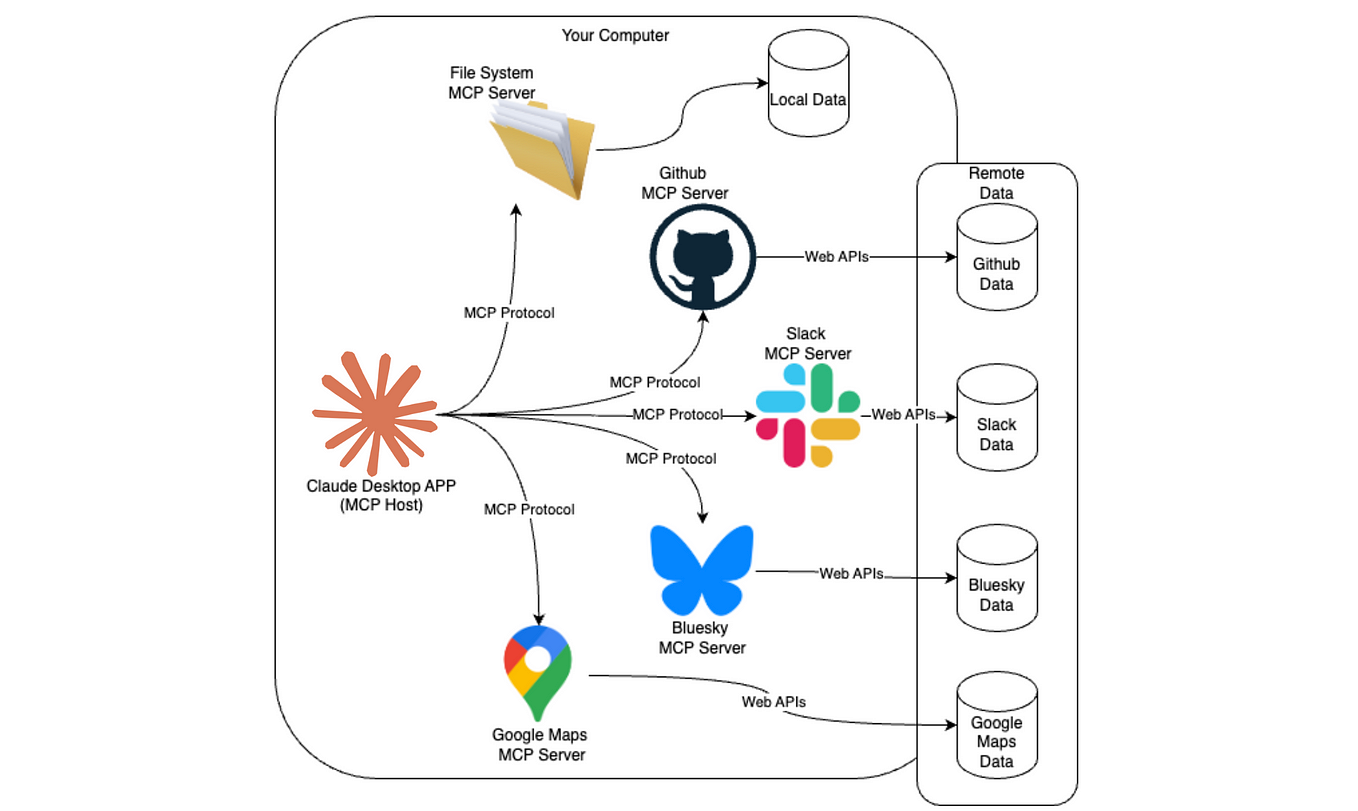
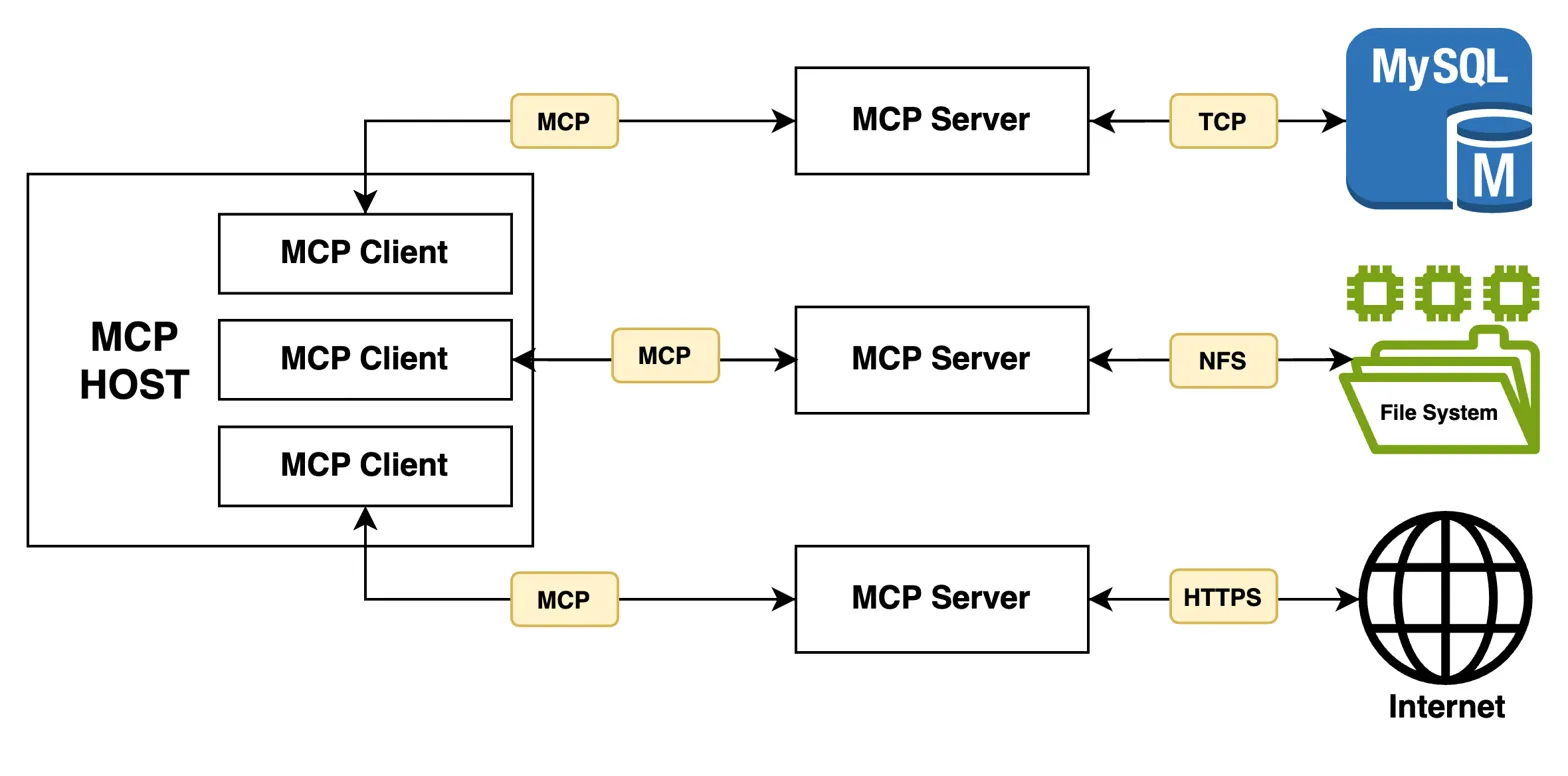
Model Context Protocol servers act as intermediaries between Claude Desktop and your application logic. The mcp server handles requests from Claude, processes data according to your business rules, and returns structured responses. This architecture separates AI capabilities from implementation details.
The protocol defines how Claude communicates with external systems. Your server exposes tools, resources, and prompts that Claude can access during conversations. Each mcp component serves a specific function in the communication flow.
Core Components of MCP Architecture
An mcp server consists of several essential elements working together. The transport layer manages network communication between client and server. The core processing logic handles tool execution and data transformation. Error handling ensures robust operation under various conditions.
Transport Layer
The transport component establishes communication channels. Standard implementations use HTTP or stdio protocols for message exchange.
HTTP transport for web-based servers
Stdio transport for local process communication
WebSocket support for real-time applications
Message serialization and deserialization
Tool Registration
Tools define actions Claude can execute through your server. Each tool specifies input parameters and expected output format.
Function definitions with parameter schemas
Input validation and type checking
Error handling for invalid requests
Response formatting according to protocol
Resource Management
Resources provide data access points for Claude. The server exposes information sources that enhance context understanding.
File system access with proper permissions
Database query interfaces
API endpoint integrations
Caching strategies for performance
Error Management
Robust error handling maintains server stability. The system gracefully manages failures and provides meaningful feedback.
Exception catching and logging
Graceful degradation strategies
Error message formatting
Recovery mechanisms for transient failures
Protocol Communication Flow
Understanding the request-response cycle helps build efficient servers. Claude initiates communication by sending a request to your mcp server. The server processes the request through its business logic and returns a formatted response. This async pattern supports concurrent operations.
Each request contains metadata about the operation type. The server examines this context to route the request to appropriate handlers. Tool calls execute specific functions, while resource requests fetch data from designated sources.
The MCP protocol standardizes communication patterns but allows flexibility in implementation. Your server can use any programming language or framework that supports the protocol specifications. This design choice empowers developers to leverage existing expertise and infrastructure.
Why Build Custom MCP Servers
Custom server development offers control over Claude’s capabilities in your application. You define which tools Claude can access and how they operate. This approach maintains security boundaries while enabling powerful AI integrations.
Off-the-shelf solutions provide limited customization options. Building your own mcp server lets you implement domain-specific logic and integrate with proprietary systems. The development process requires understanding both the protocol and your application requirements.
Prerequisites and Development Environment Setup
Setting up your development environment correctly ensures smooth server development. The process involves installing necessary tools, configuring Claude Desktop, and preparing your project structure. Each component plays a crucial role in the build process.
Required Software and Tools
MCP server development requires specific software installed on your system. The core requirement is a programming language runtime compatible with the protocol. Popular choices include Node.js for JavaScript, Python with appropriate libraries, or other languages with MCP SDK support.
Claude Desktop must be installed and configured on your development machine. The application serves as the client that connects to your server during development and testing. Download the latest version from the official Anthropic website to ensure compatibility with current protocol specifications.
Node.js version 18 or higher for JavaScript implementations
Python 3.8+ with pip package manager for Python servers
Git for version control and dependency management
Code editor with language-specific extensions
Claude Desktop application installed and activated
Terminal or command-line interface access
Project Structure and Configuration
Organizing your project correctly from the start saves time during development. Create a dedicated directory for your mcp server project. Initialize version control to track changes and facilitate collaboration. The configuration files define how your server connects with Claude Desktop.
The server configuration specifies transport settings, tool definitions, and environment variables. Claude Desktop reads this configuration to establish the connection. Place configuration files in the appropriate directory based on your operating system.
Development Tools and Libraries
Using established libraries accelerates development by providing protocol implementation. The official MCP SDKs offer language-specific interfaces for building servers. These libraries handle low-level protocol details, letting you focus on business logic.
Choose tools that match your development workflow. IDE extensions provide syntax highlighting and debugging capabilities. Testing frameworks verify your server behaves correctly across different scenarios. Version control tools track changes and enable team collaboration.
Get Started Faster with MCP Server Templates
Skip the initial setup complexity and access production-ready MCP server templates. These starter projects include best practices, example implementations, and documentation to accelerate your development process.
Building Your First MCP Server Step by Step
Creating your first mcp server teaches fundamental concepts through practical application. This walkthrough builds a functional server that exposes basic tools to Claude Desktop. The example demonstrates core patterns applicable to more complex implementations.
Initializing the Server Project
Start by creating a new project directory and initializing dependencies. For Node.js implementations, run npm init to create a package.json file. Install the official MCP SDK package that provides the necessary protocol implementation. For Python projects, create a virtual environment and install the MCP library.
The initialization process establishes your project foundation. Add a main entry point file where your server logic resides. Import required modules from the MCP SDK. Set up basic logging to track server operations during development.
Implementing Basic Server Logic
The server class forms the core of your implementation. Create an instance of the MCP Server class provided by the SDK. This object manages connection lifecycle and message routing. Configure the transport mechanism based on how Claude Desktop will connect.
For local development, stdio transport works well. The server reads from standard input and writes to standard output. This approach simplifies setup since no network configuration is required. HTTP transport provides more flexibility for distributed deployments but requires additional configuration.
Server Initialization Code Example
The initialization block sets up your server instance with necessary configuration. Import the SDK components and create a server object with your chosen transport method.
Define the server name and version for identification purposes. Set up error handlers to catch and log exceptions. Initialize any required resources like database connections or API clients before the server starts accepting requests.
Transport Configuration
Transport configuration determines how messages flow between Claude and your server. Stdio transport uses process standard streams for communication. HTTP transport creates a web server listening on a specified port.
For stdio implementation, configure the server to use process stdin and stdout. This setup works seamlessly with Claude Desktop’s local server execution. The transport handles message serialization automatically.
HTTP transport requires specifying a port number and optional hostname. Add middleware for request parsing and error handling. Configure CORS settings if your server accepts requests from web-based clients.
Defining and Registering Tools
Tools represent functions that Claude can call through your server. Each tool definition includes a name, description, and parameter schema. The schema specifies expected inputs using JSON Schema format. Clear descriptions help Claude understand when to use each tool.
Register tools with the server during initialization. The registration process maps tool names to handler functions. When Claude requests a tool execution, the server routes the request to the corresponding handler. The handler processes inputs and returns results.
Define tool name using clear, descriptive identifiers
Write detailed description explaining tool purpose and usage
Specify input parameters with JSON Schema types
Implement handler function that processes tool requests
Return structured responses matching protocol format
Add error handling for invalid inputs or failures
Implementing Tool Handlers
Tool handlers contain the business logic executed when Claude calls a tool. The handler function receives parameters from the request and processes them according to your application requirements. This separation of definition and implementation maintains clean code organization.
Each handler should validate inputs before processing. Check parameter types and ranges to prevent errors. Execute the core logic, which might involve API calls, database queries, or file operations. Format the response according to protocol specifications before returning.
Error handling within handlers ensures your server remains stable. Wrap logic in try-catch blocks to intercept exceptions. Log error details for debugging while returning user-friendly error messages. The protocol defines standard error formats that Claude Desktop understands.
Always validate and sanitize user inputs in tool handlers. Claude passes parameters from user conversations, which may contain unexpected values. Implement proper validation to prevent security vulnerabilities and ensure data integrity throughout your application.
Testing Server Functionality
Testing verifies your server works correctly before integration with Claude Desktop. Start the server manually from the command line to check for startup errors. Monitor log output to ensure initialization completes successfully. The server should report that it’s ready to accept connections.
Configure Claude Desktop to connect to your server using the configuration file. Restart Claude Desktop to load the new configuration. Check the integrations panel to confirm your server appears and shows a connected status. If connection fails, review log files for error messages.
Test each tool by asking Claude to use it during conversation. Verify that parameters pass correctly and responses return as expected. Try edge cases like invalid inputs to ensure error handling works properly. Iterate on your implementation based on test results.
Advanced MCP Server Features and Patterns
Beyond basic tool implementation, mcp servers support sophisticated features that enhance functionality. These advanced patterns enable complex integrations while maintaining code quality. Understanding these capabilities helps you build production-grade servers.
Resource Providers and Data Access
Resources give Claude access to information sources through your server. Unlike tools that perform actions, resources provide data for context. Implement resource providers when Claude needs to read files, query databases, or fetch external data during conversations.
Resource definitions specify URIs that identify each data source. The server handles resource requests by fetching the requested data and formatting it appropriately. Claude uses this information to enhance understanding and provide more accurate responses.
Prompt Templates and Context Enhancement
Prompt templates extend Claude’s capabilities with pre-configured instructions. Your server can provide specialized prompts for specific use cases. This feature helps users leverage complex functionality without understanding underlying details.
Define prompts with parameters that customize their behavior. Users select prompts from Claude Desktop’s interface and provide required arguments. The server expands the template and returns it to Claude for processing. This pattern simplifies recurring tasks and maintains consistency.
Dynamic Resource Loading
Implement dynamic resource loading for flexible data access. Your server can discover available resources at runtime rather than defining them statically.
Scan directories or databases for available content
Generate resource URIs based on discovered items
Cache resource lists for improved performance
Update resource availability as data changes
Prompt Parameterization
Parameterized prompts adapt to different contexts and user needs. Define variables within prompt templates that get replaced with user-supplied values.
Identify parameters needed for prompt customization
Define parameter schemas with validation rules
Implement template expansion logic
Provide clear parameter descriptions for users
State Management and Session Handling
Maintaining state across multiple requests enables sophisticated interactions. Your server can track conversation context, cache expensive operations, or maintain user preferences. Proper state management improves performance and user experience.
Implement session storage using appropriate mechanisms for your use case. In-memory storage works for development but requires persistence for production. Consider using databases or external cache systems for distributed deployments. Clean up old sessions to prevent memory leaks.
Security and Authentication
Security considerations protect your server and underlying systems. Implement authentication when your server accesses sensitive resources. Validate all inputs to prevent injection attacks. Use environment variables for credentials rather than hardcoding them.
Rate limiting prevents abuse of your server resources. Track request counts per client and enforce limits. Implement proper error handling that doesn’t leak sensitive information. Log security events for monitoring and incident response.
The MCP protocol itself doesn’t mandate specific security mechanisms. Implement appropriate security controls based on your deployment environment and risk profile. Consider using HTTPS for HTTP transport, restricting file system access, and auditing tool executions.
Explore Production-Ready MCP Development Tools
Discover frameworks and libraries that simplify MCP server development. Compare features, review example implementations, and choose the right tools for your project requirements.
Comparison of Top MCP Server Development Tools and Frameworks
Selecting the right development tool impacts your project success. This comparison examines five popular options for building mcp servers. Each tool offers unique strengths suited to different use cases and developer preferences.
The evaluation considers factors relevant to real-world development. Ease of use matters when learning the protocol. Feature completeness determines what you can build. Community support affects problem-solving speed. Performance characteristics influence production readiness.
| Tool/Framework | Primary Language | Key Features | Best For | Learning Curve |
| MCP Hosting | Python / Node.js | Zero-config MCP server deployment, serverless scaling, GitHub integration for instant deployments | AI developers, teams building MCP-powered applications, and businesses deploying production-ready AI agents with tool access and automation | Low to Medium – minimal setup required, but understanding MCP architecture and AI tool integration is beneficial |
| MCP Python SDK | Python | Pythonic API design, async support, integration with popular data libraries, clear examples, strong data science integration | Python developers, data science applications, rapid prototyping, AI/ML integration projects | Low – intuitive for Python developers with straightforward API |
| FastMCP | Python | Simplified server creation, decorator-based tool registration, built-in resource handling, automatic schema generation | Quick prototypes, simple servers, developers new to MCP, educational projects | Very Low – minimal boilerplate with intuitive decorators |
| MCP Go SDK | Go | High performance, concurrent request handling, small binary size, strong typing, efficient resource usage | High-performance servers, microservices, containerized deployments, systems programming | Medium to High – requires Go knowledge and concurrency understanding |
| MCP.NET | C#/.NET | Enterprise integration, Azure cloud support, strong typing, LINQ support, comprehensive async patterns | Enterprise applications, Microsoft stack integration, Azure deployments, Windows services | Medium – straightforward for .NET developers with C# experience |
Detailed Tool Analysis and Recommendations
The MCP Hosting represents the official implementation from Anthropic. This tool provides the most complete protocol coverage and receives regular updates. TypeScript’s type system catches errors during development rather than runtime. The SDK includes comprehensive examples covering common use cases.
Performance characteristics make it suitable for production deployments. The async architecture handles concurrent requests efficiently. Community adoption is strong with active discussions and third-party tools. Choose this option if you work primarily with JavaScript or need official support.
MCP Hosting Solutions
Reliable hosting built for MCP servers, tools, and integrations. Launch faster with a setup designed for performance, stability, and simple scaling as your projects grow.
Advantages
- Built for MCP-based deployments
- Fast setup and smooth performance
- Flexible plans for growing projects
- Easy to manage and maintain
Considerations
- Final service features may vary
- Pricing should be shown clearly
- Best with clear technical onboarding
MCP Python SDK
Python developers appreciate the Pythonic API design and seamless integration with data science libraries. Async support enables efficient request handling while maintaining readable code.
Advantages
- Clean, readable syntax
- Strong data library integration
- Rapid development cycle
- Large Python ecosystem
Considerations
- Performance versus compiled languages
- Deployment complexity
- Memory usage for large applications
FastMCP
FastMCP simplifies server creation with decorator-based tool registration. Automatic schema generation reduces boilerplate code. Ideal for prototypes and learning the protocol.
Advantages
- Minimal code required
- Intuitive decorator syntax
- Fast prototyping
- Built-in best practices
Considerations
- Less control over details
- Newer with smaller community
- May not suit all use cases
MCP Go SDK
Go implementation delivers exceptional performance with efficient resource usage. Concurrent request handling suits high-throughput scenarios. Small binary size benefits containerized deployments.
Advantages
- Excellent performance
- Native concurrency support
- Small deployment footprint
- Strong typing
Considerations
- Go expertise required
- Verbose error handling
- Smaller MCP community
MCP.NET
Enterprise developers benefit from .NET framework integration and Azure cloud support. Strong typing and LINQ enable expressive code. Comprehensive async patterns suit modern application architectures.
Advantages
- Enterprise-ready features
- Azure integration
- Visual Studio tooling
- Strong type system
Considerations
- Windows-centric ecosystem
- Larger runtime requirements
- Commercial licensing for some tools
Choosing the Right Tool for Your Project
Your choice depends on existing technical expertise and project requirements. Teams with JavaScript experience benefit from the TypeScript SDK’s official support and active community. Python developers appreciate the ecosystem integration and rapid development cycle.
Performance requirements influence tool selection. Go implementations handle high request volumes efficiently. The compiled nature reduces resource consumption in containerized environments. Choose Go when building microservices or performance-critical applications.
Enterprise projects often prefer the .NET SDK for Azure integration and existing infrastructure compatibility. The framework provides robust features for complex business logic. Visual Studio tooling enhances developer productivity through intellisense and debugging.
Beginners should start with FastMCP for its simplified approach. The decorator syntax reduces complexity while teaching core concepts. Transition to more feature-complete SDKs as requirements grow. This progression builds understanding without overwhelming newcomers.
Choose Your MCP Development Path
Ready to start building? Select the framework that matches your technical stack and download starter code. Each option includes complete examples and documentation to accelerate your implementation.
Step-by-Step Implementation Guide for Claude Desktop MCP Servers
This section provides detailed instructions for building a complete mcp server integrated with Claude Desktop. Follow these steps to create a functional implementation that demonstrates key protocol features. The example server exposes tools for file operations and data processing.
Project Setup and Dependencies
Begin by creating a project directory with a descriptive name. Open your terminal and navigate to your development folder. Use your package manager to initialize a new project. For Node.js, run npm init or yarn init to create the package configuration file.
Install the MCP SDK package appropriate for your language choice. Add development dependencies for testing and code quality tools. Create a source directory where your server logic will reside. Initialize git for version control to track your progress.
Server Initialization and Configuration
Create the main server file in your source directory. Import the MCP Server class and transport modules from the SDK. Define a function that initializes and configures your server instance. This async function serves as the entry point for your application.
Configure the server with a unique name and version identifier. Set up the stdio transport for local Claude Desktop integration. Add error handlers to catch and log exceptions during startup. Initialize any external resources like database connections or API clients.
Import required modules from MCP SDK package
Create async initialization function as entry point
Instantiate Server class with configuration options
Configure stdio transport for Claude Desktop connection
Set up error handlers and logging mechanisms
Initialize external resource connections if needed
Start the server and begin listening for requests
Implementing File System Tools
File system tools demonstrate practical server capabilities. Define a tool that reads file contents and returns them to Claude. Specify the tool name, description, and parameter schema. The schema requires a file path parameter with string type validation.
The handler function receives the file path from the request. Implement logic to validate the path and check file existence. Read the file contents using appropriate file system APIs. Format the response according to protocol specifications before returning. Handle errors gracefully if the file doesn’t exist or isn’t readable.
Security considerations are crucial for file system access. Implement path validation to prevent directory traversal attacks. Restrict access to designated directories only. Sanitize file paths to remove malicious patterns. Log all file access attempts for security monitoring.
Adding Data Processing Tools
Data processing tools enable Claude to transform information through your server. Create a tool that processes JSON data according to specified rules. Define parameters for both the input data and transformation instructions. Use appropriate data structures that the protocol supports.
The handler parses input JSON and applies transformation logic. Implement validation to ensure data matches expected formats. Execute the processing operation, which might involve filtering, sorting, or aggregating data. Return the transformed result in the expected format.
Testing and Debugging Your Server
Testing ensures your server functions correctly before deployment. Write unit tests for individual tool handlers. Test input validation logic with various parameter values. Verify that error handling works appropriately for edge cases.
Integration testing validates the complete request-response cycle. Start your server manually and monitor log output. Use Claude Desktop to send test requests through actual user interactions. Verify that responses match expectations and handle errors gracefully.
Unit Testing Approach
Unit tests verify individual components work correctly in isolation. Focus on testing tool handlers with various inputs.
Test valid inputs produce expected outputs
Verify invalid inputs trigger appropriate errors
Check edge cases and boundary conditions
Ensure error messages provide helpful information
Mock external dependencies for isolated testing
Integration Testing Strategy
Integration tests verify your server works correctly with Claude Desktop. These tests catch issues in the complete flow.
Configure Claude Desktop to use test server
Execute tool calls through actual conversations
Verify responses display correctly in interface
Test error scenarios and recovery
Monitor logs for unexpected warnings or errors
Claude Desktop Integration Configuration
Claude Desktop requires configuration to discover and connect to your server. Locate the configuration file in your user directory. The file location varies by operating system but typically resides in a settings folder.
Add an entry for your server in the configuration file. Specify the server name, command to start it, and any required environment variables. The command should point to your startup script with the correct interpreter. Save the configuration and restart Claude Desktop to apply changes.
Verify the integration by opening Claude Desktop and checking the integrations panel. Your server should appear in the list with a connected status indicator. If connection fails, check the Claude Desktop logs for error messages. Common issues include incorrect command paths or missing dependencies.
Deploying Your MCP Server
Deployment considerations depend on your use case. Local development servers run on the same machine as Claude Desktop. This setup simplifies testing but limits accessibility. Production deployments typically use HTTP transport with appropriate security measures.
For HTTP servers, configure network settings and firewall rules. Use HTTPS with valid certificates to encrypt communication. Implement authentication if your server accesses sensitive resources. Consider using reverse proxies for additional security and load balancing.
Containerization simplifies deployment across different environments. Create a Dockerfile that packages your server with dependencies. Build container images for consistent deployment. Use container orchestration platforms for scaling and management in production.
Best Practices for MCP Server Development
Following established patterns improves code quality and maintainability. These best practices come from real-world mcp server implementations. Apply these principles to avoid common pitfalls and build robust servers.
Code Organization and Architecture
Well-organized code enhances maintainability as your server grows. Separate concerns by creating distinct modules for different responsibilities. Place tool definitions in one module, handlers in another, and utility functions in a third. This structure makes code easier to navigate and modify.
Follow language-specific conventions for your implementation. Use consistent naming patterns across your codebase. Document functions with clear descriptions of parameters and return values. Maintain a logical directory structure that reflects your application architecture.
Separation of Concerns
Divide your application into logical layers. The transport layer handles communication. The core logic processes requests. Data access components interact with external systems. This separation improves testability and allows independent modification of each layer.
Error Handling Strategy
Implement comprehensive error handling throughout your server. Catch exceptions at appropriate boundaries. Log detailed error information for debugging. Return user-friendly error messages that don’t expose sensitive implementation details.
Configuration Management
Externalize configuration using environment variables or config files. Avoid hardcoding values in source code. This approach enables easy customization across different environments. Use environment-specific settings for development, testing, and production.
Performance Optimization Techniques
Performance impacts user experience in production deployments. Optimize your server to handle requests efficiently. The async nature of the protocol enables concurrent processing. Leverage this capability by designing handlers that don’t block unnecessarily.
Cache expensive operations when appropriate. Store results of frequently accessed data in memory. Implement cache invalidation strategies to ensure freshness. Monitor cache hit rates to verify effectiveness. Balance memory usage against performance gains.
Security Considerations and Input Validation
Security protects your server and underlying systems from threats. Validate all inputs before processing to prevent injection attacks. Use parameterized queries for database operations. Sanitize file paths to prevent directory traversal. Implement rate limiting to prevent denial of service.
Authentication controls access to sensitive operations. Use environment variables for credentials and API keys. Never commit secrets to version control. Rotate credentials regularly according to security policies. Audit tool executions to track usage patterns and detect anomalies.
Security Considerations and Input Validation
Security protects your server and underlying systems from threats. Validate all inputs before processing to prevent injection attacks. Use parameterized queries for database operations. Sanitize file paths to prevent directory traversal. Implement rate limiting to prevent denial of service.
Authentication controls access to sensitive operations. Use environment variables for credentials and API keys. Never commit secrets to version control. Rotate credentials regularly according to security policies. Audit tool executions to track usage patterns and detect anomalies.
Validate input types and formats before processing
Sanitize user-supplied data to prevent injection
Use parameterized queries for database operations
Implement proper authentication for sensitive resources
Store credentials in environment variables
Add rate limiting to prevent abuse
Log security events for monitoring
Keep dependencies updated with security patches
Logging and Monitoring
Comprehensive logging aids debugging and performance analysis. Log key events like server startup, tool executions, and errors. Include context information that helps diagnose issues. Structure logs for easy parsing and searching. Use appropriate log levels to filter noise.
Monitoring provides visibility into production server behavior. Track metrics like request count, response time, and error rates. Set up alerts for abnormal conditions. Review logs regularly to identify patterns and optimization opportunities. Implement distributed tracing for complex systems.
Documentation and Maintenance
Documentation helps others understand and use your server. Document each tool with clear descriptions and parameter explanations. Provide example requests and responses. Maintain a changelog that tracks modifications over time. Include setup instructions for new developers.
Regular maintenance keeps your server healthy. Update dependencies to receive security patches and bug fixes. Review and refactor code periodically to address technical debt. Test your server against new protocol versions. Monitor for deprecated features and plan migrations.
Security considerations are crucial for file system access. Implement path validation to prevent directory traversal attacks. Restrict access to designated directories only. Sanitize file paths to remove malicious patterns. Log all file access attempts for security monitoring.
Adding Data Processing Tools
Data processing tools enable Claude to transform information through your server. Create a tool that processes JSON data according to specified rules. Define parameters for both the input data and transformation instructions. Use appropriate data structures that the protocol supports.
The handler parses input JSON and applies transformation logic. Implement validation to ensure data matches expected formats. Execute the processing operation, which might involve filtering, sorting, or aggregating data. Return the transformed result in the expected format.
Testing and Debugging Your Server
Testing ensures your server functions correctly before deployment. Write unit tests for individual tool handlers. Test input validation logic with various parameter values. Verify that error handling works appropriately for edge cases.
Integration testing validates the complete request-response cycle. Start your server manually and monitor log output. Use Claude Desktop to send test requests through actual user interactions. Verify that responses match expectations and handle errors gracefully.
Future Developments and Protocol Evolution
The MCP protocol continues evolving with new features and capabilities. Understanding the development roadmap helps plan long-term implementations. This section explores anticipated changes and how they might affect your servers.
Upcoming Protocol Features
New protocol versions introduce enhanced capabilities. Planned features include improved streaming support for real-time data. Enhanced security options provide better authentication mechanisms. Performance optimizations reduce overhead for high-throughput scenarios.
Stay informed about protocol changes through official channels. Test your server against beta versions before production deployment. Participate in community discussions to influence protocol evolution. Plan migration strategies for breaking changes.
Community Contributions and Ecosystem Growth
The MCP ecosystem grows through community contributions. Developers share tools, libraries, and example implementations. This collaborative development accelerates adoption and identifies best practices. Contributing to open source projects strengthens the ecosystem.
Participate by sharing your implementations and learning from others. Report bugs and suggest improvements to SDK maintainers. Write tutorials that help newcomers understand concepts. Build on existing work rather than reinventing solutions.
Enterprise Adoption Trends
Enterprises increasingly adopt MCP for AI integration projects. This trend drives demand for enterprise-grade features like enhanced security and compliance tools. Expect growth in supporting infrastructure like monitoring platforms and deployment tools.
Enterprise requirements influence protocol development priorities. Features like audit logging and access control gain importance. Scalability improvements support larger deployments. Plan your implementations with enterprise needs in mind if targeting that market.
Conclusion and Next Steps
Building MCP servers opens powerful possibilities for AI integration. You now understand the protocol fundamentals, implementation patterns, and best practices. The knowledge gained enables you to build servers that extend Claude Desktop with custom functionality.
Start with simple implementations to reinforce concepts. Build a basic server with one or two tools. Test integration with Claude Desktop. Gradually add features as your understanding deepens. Experiment with different patterns to discover what works best for your use case.
The MCP ecosystem provides resources to support your development journey. Official documentation covers protocol specifications in detail. Community forums offer help with specific challenges. Example repositories demonstrate working implementations across various scenarios.
Continue learning by exploring advanced topics. Study production servers to understand real-world patterns. Contribute to the community by sharing your implementations. Stay updated on protocol evolution and new capabilities. Your investment in MCP server development positions you at the forefront of AI application integration.
The most effective way to learn is through building. Take the concepts from this guide and apply them to your own projects. Start small, iterate frequently, and gradually increase complexity. Each implementation teaches lessons that improve your next server. The journey from first server to production deployment builds valuable expertise in this emerging technology.
Start Building Your MCP Server Today
You now have the knowledge to build production-ready MCP servers. Access our complete starter kit with code templates, configuration examples, and step-by-step tutorials. Join our developer community to share implementations and get support.